
What Should You Expect Before, During, and After Any Oral Surgery Procedure?
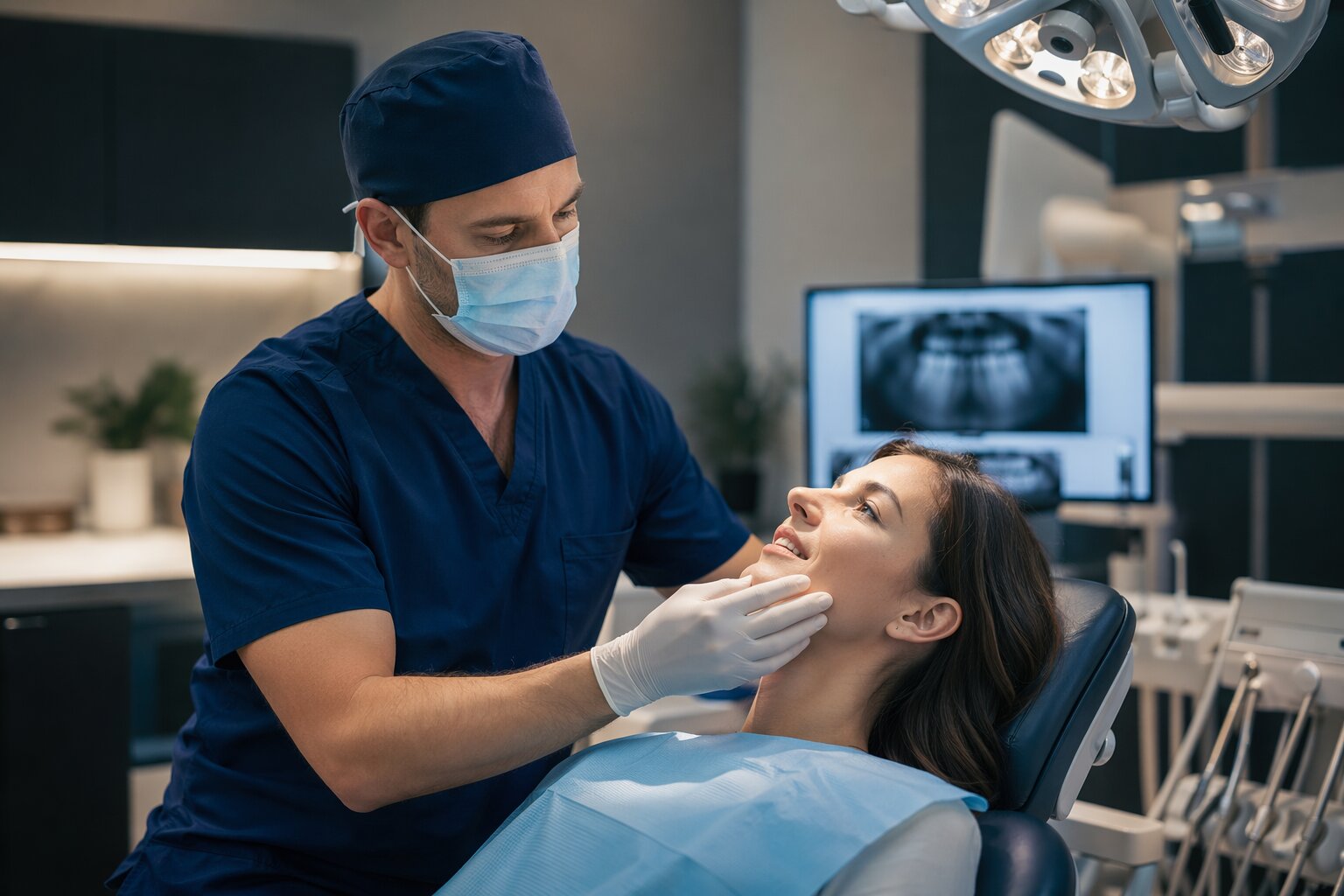
Oral surgery can feel overwhelming when you don't know what to expect. Whether you're scheduled for a tooth extraction, dental implants, or jaw correction, understanding the process from start to finish makes a real difference in how confident and prepared you feel.
In this article, we walk you through every stage, from your first consultation to full recovery.
Getting Ready Before Your Oral Surgery
The first step in any oral surgery journey is the initial consultation. During this visit, your surgeon will review your medical history, examine the affected area, and discuss your treatment goals in detail.
Advanced diagnostic imaging, such as a 3D cone beam CT scan, is often used to get a precise look at your bone structure, nerves, and surrounding tissues. This level of detail allows the surgical team to build a personalized treatment plan designed specifically around your anatomy and health profile.
Once your procedure is scheduled, you will receive pre-operative instructions that are essential to follow without exception. These typically include fasting for several hours before surgery, pausing certain medications such as blood thinners or supplements, and arranging for a trusted adult to drive you home after the procedure.
Your surgical team will also walk you through the anesthesia and sedation options available to you, whether that is local anesthesia, IV sedation, or another approach suited to your procedure and comfort level. Patients who go into surgery well-prepared tend to have smoother recoveries and fewer post-operative concerns.
Making sure you are turning to experts is also crucial. At oral surgery centers like Love Your Jaws, board-certified oral and maxillofacial surgeons like Dr. Kroum Dimitrov lead the surgical teams, ensuring that every pre-operative decision, from imaging and diagnosis to sedation planning and patient education, is guided by the clinical expertise and surgical experience the procedure demands.
During Your Oral Surgery: What Happens in the Operatory
When you arrive on the day of your surgery, the team will check your vitals and confirm your medical history one final time before sedation begins. Most patients who receive IV sedation report that the process feels seamless, as they have little to no memory of the procedure itself.
You will be monitored throughout the entire operation, with careful attention given to your breathing, heart rate, and overall comfort. The experience is typically far less stressful than most patients anticipate, owing to the attentive and methodical care that a well-trained surgical team provides.
Once sedation takes effect, the surgeon proceeds with the planned procedure, whether it involves tooth extraction, implant placement, jaw realignment, or another intervention. Modern oral surgery techniques are designed to be as minimally invasive as possible, which means smaller incisions, less disruption to surrounding tissue, and a healing process that tends to move more smoothly.
In cases involving dental implants, robotic-assisted technology can be used to guide placement with sub-millimeter precision, significantly reducing the margin for human error. Throughout the procedure, the surgical team remains fully focused on executing the plan with accuracy while keeping your safety as the central priority.
After Your Oral Surgery: Recovery & Aftercare
In the hours immediately following your procedure, it is normal to experience some grogginess, localized numbness, and mild bleeding at the surgical site. Your care team will send you home with specific aftercare instructions covering how to apply gauze pressure, what to eat, and how to take your prescribed medications on schedule.
During the first 48 to 72 hours, applying ice packs to the outside of your face in timed intervals can help reduce swelling and bruising in the treated area. Eating soft foods such as yogurt, mashed potatoes, and blended soups during this period protects the surgical site and supports the early stages of tissue repair.
As the first week or two passes, most patients find that discomfort decreases and their energy gradually returns. You should avoid strenuous physical activity, smoking, and alcohol during this window, as these can interfere with blood clot formation and slow the tissue repair process. Attending your follow-up appointment is a critical step in your recovery, as your surgeon will assess how the site is healing, check for early signs of complications, and advise you on the appropriate next steps.
For procedures such as dental implants, healing continues over several months as the implant fuses with the jawbone through a process called osseointegration, making ongoing communication with your surgical team a meaningful part of the overall treatment plan.
Tips for a Smoother, Faster Recovery
A successful recovery is not just about avoiding complications; it is also about actively creating the right conditions for your body to heal. Staying well-hydrated, eating nutrient-rich soft foods, and getting adequate sleep in the days following surgery all contribute to a more consistent healing response.
Following your surgeon's post-operative instructions without shortcuts is one of the most reliable ways to avoid setbacks, since even small deviations can introduce unnecessary risk to the surgical site. Keeping the area clean according to the recommended rinsing schedule also helps prevent infection and supports healthy tissue regeneration.
Beyond physical care, staying communicative with your surgical team makes a meaningful difference throughout the recovery period. If something feels off, whether it is unusual pain, unexpected swelling, or a concern about the appearance of the healing site, reaching out to the practice is always the appropriate course of action.
Keeping all scheduled follow-up appointments ensures that your surgeon can identify any potential issues at an early stage, when they are easiest to address. Patients who stay engaged in their recovery and follow professional guidance consistently experience fewer delays and a more predictable healing timeline.
When to Seek Emergency Care After Oral Surgery
While most oral surgery recoveries follow a predictable and manageable course, certain symptoms should be treated as a clear signal to seek care without delay.
Uncontrolled bleeding that persists well beyond the first few hours, a fever that develops in the days following surgery, or spreading swelling and discharge around the surgical site are all signs that warrant a prompt call to your provider.
Dry socket, a condition that occurs when the protective blood clot at an extraction site becomes dislodged, can cause significant pain and requires professional treatment to resolve.
Recognizing these warning signs at an early stage gives your surgical team the opportunity to intervene before a manageable issue becomes a more serious complication.
You should also pay attention to persistent numbness in the jaw, chin, or lips that extends well past the expected recovery window, as this may indicate nerve involvement that needs professional evaluation.
It’s worth noting that some degree of discomfort, swelling, and minor bleeding in the first 24 to 48 hours is considered a normal part of the healing process, so not every symptom requires an emergency visit. The key distinction lies in whether the symptoms are improving over time or becoming noticeably worse.
Why Being Prepared Makes All the Difference
Oral surgery is a well-established and highly effective solution for a broad range of dental and jaw-related conditions, and the experience becomes far more manageable when you understand what each stage involves.
The procedure should always include a commitment to guiding patients through every step of the process with transparency, clinical precision, and genuine care for their well-being. From the initial consultation to the final weeks of healing, being informed, prepared, and in regular communication with your surgical team places you in the strongest position for a smooth and successful outcome.